
Silk Pillowcase
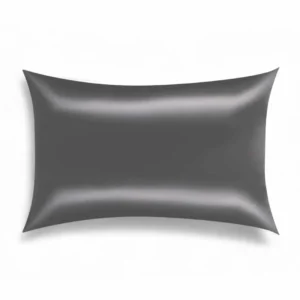
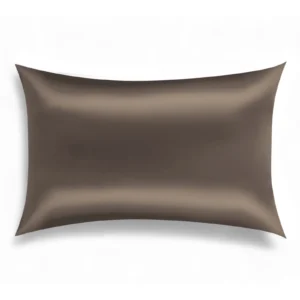
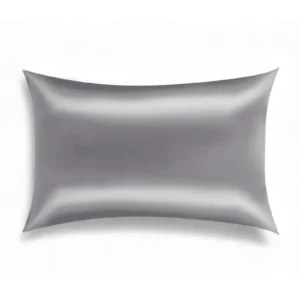
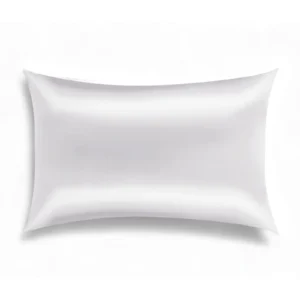
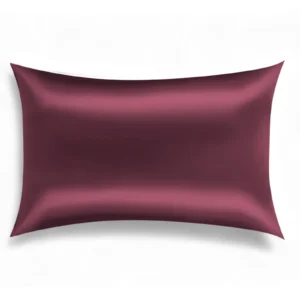
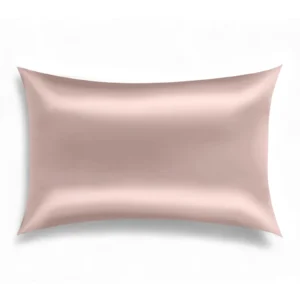
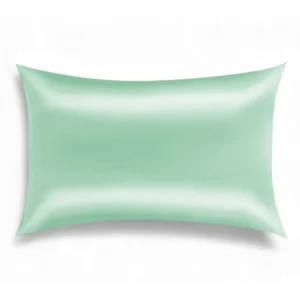
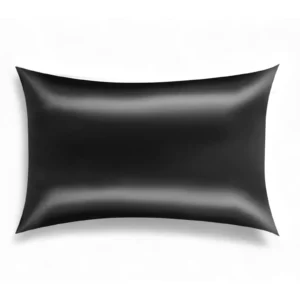

“Soft sleep, smooth hair, glowing skin.” 💕
Switching to a silk pillowcase can help you wake up with softer skin and smoother hair, making you feel more confident and look more refreshed in the morning. The main benefits usually include:
Fewer sleep lines and a fresher-looking face when you wake up
Hair that feels softer, smoother, and less frizzy, so it’s easier to style or looks good naturally
Skin that stays more hydrated overnight, especially if you use night creams or oils
However, silk is not a miracle solution. It won’t suddenly change your appearance. It simply gives gentle beauty benefits that work best when combined with good skincare, haircare, proper sleep, and self-care habits. Some claims, like silk completely fixing acne or stopping aging, are exaggerated.

“Beauty sleep starts with silk.” ✨
Silk pillowcases are known for being very soft and gentle on both hair and skin. Unlike cotton, silk creates less friction, which helps reduce hair breakage, tangles, and frizz while you sleep. This means you can wake up with smoother, more manageable hair in the morning.
All Skin Types
Silk pillowcases are soft and smooth, making them gentle on hair and skin.
Pure Organic
They help reduce frizz, tangles, and sleep lines while you rest.
Natural Care
They also help your skin stay hydrated and your hair look healthier.
What Our Customers Say
Silk pillowcases ✦ FAQs
Absolutely — if you care about hair frizz, skin creases, and overnight comfort. Silk reduces friction, so you wake up with less bedhead and fewer sleep lines. Many users also notice less moisture loss from skin and hair. The main trade‑off is price and delicate care.
💸 Cost: real silk is expensive. 🧺 Care: requires hand‑washing or delicate cycles. 🧵 Durability: can snag or wear faster than cotton. Some people also find them too slippery (pillow sliding).
Yes. The smooth surface creates minimal friction, which means less breakage, fewer split ends, and reduced frizz. It also doesn’t absorb as much of your hair’s natural oils as cotton does, helping keep hair hydrated.
Silk is naturally hypoallergenic, temperature‑regulating, and low‑friction. It glides against skin and hair instead of tugging, and it breathes better than synthetics, so you stay cooler (or warmer) as needed.
Bed bugs aren’t picky — they can live on any fabric, including silk. However, silk’s smoothness offers fewer hiding spots than textured fabrics. Regular washing and vigilance are still needed.
Besides cost and delicate washing, silk can be damaged by sweat, oils, and some skincare products (like benzoyl peroxide). It’s also not inherently vegan, though peace silk alternatives exist.
Many dermatologists do — especially for people with acne, eczema, or sensitive skin. Silk absorbs less moisture and bacteria, and its smooth surface reduces irritation and sleep lines.
Ideally once a week. This removes oil, dust, and bacteria buildup. If you have very oily skin or acne, consider washing every 3–4 days. Always follow the care label (cold water, gentle detergent).
Yes — it’s called peace silk (or ahimsa silk). The silkworms are allowed to mature and leave the cocoon before it’s harvested, making the process cruelty‑free. It’s slightly less uniform but widely available.
Hand‑wash in cool water with a gentle, pH‑neutral detergent (or a special silk wash). Alternatively, use a mesh bag and the delicate cycle in your machine. Never use bleach or fabric softener. Air dry away from direct sun.
Quite the opposite: silk is breathable and naturally wicks moisture, so it usually feels cool to the touch. It adapts to your body temperature, making it a good choice for both warm and cool sleepers.
No pillow directly makes hair grow faster — growth comes from within. But a silk pillowcase on any pillow reduces breakage and friction, so hair retains length better. A supportive pillow that aligns your neck also helps avoid tension.
In Islamic tradition, men are prohibited from wearing silk (it’s considered extravagant for males), and some scholars extend this to sleeping directly on silk. Women are generally allowed. It’s based on hadith and modesty principles.
Natural, breathable fibres like organic cotton, linen, silk, and bamboo. Silk stands out for being hypoallergenic and gentle on skin and hair, while linen excels in airflow. Avoid synthetics if you overheat easily.
Yes — silk’s temperature‑regulating and moisture‑wicking properties can help with night sweats and hot flashes. Many menopausal women find silk pillowcases and sheets noticeably more comfortable.
Strong scents like lavender, peppermint, tea tree, and eucalyptus are said to repel bed bugs. However, they are not a reliable solution for an infestation — professional heat treatment or insecticides are necessary.
High‑quality, pure silk (mulberry silk) is natural and non‑toxic. However, cheaper blends may be treated with synthetic dyes or formaldehyde. Look for certifications like OEKO‑TEX Standard 100 to ensure no harmful chemicals.
Squishing a bed bug can release blood and dozens of eggs (if it’s a pregnant female), potentially making the infestation worse. It also leaves ugly stains. Instead, capture or vacuum and contact a pest professional.